Scrubs are the everyday uniform of nurses, doctors, therapists and many other healthcare workers. They need to be comfortable through long shifts, practical enough to carry what you need, tough enough for frequent hot washing and professional enough to reassure patients. When you are buying online and can't try them on first, it helps to know exactly what to look for.
This guide explains why nurses and medical professionals wear scrubs, then walks through fabric, fit, functionality and style so you can choose the right medical scrubs online.
From nurses' dresses to modern scrubs
Not so long ago, starched caps and dresses were the iconic nursing uniform. Over time, nurses moved to scrubs, and today scrub tops, scrub pants and scrub hats are the standard uniform for nurses in Australia, often worn with a lab coat or tunic. The change happened for good reasons, which are worth understanding before you buy.
Why nurses and medical staff wear scrubs
Hygiene and infection control
Nurses care for vulnerable patients who are at higher risk of infection, and they are regularly exposed to bodily fluids and other contaminants themselves. Scrubs are a dedicated work garment that can be changed and laundered frequently, which helps reduce the spread of germs between patients, staff and home.
Healthcare facilities often launder uniforms using strong detergents and high temperatures. Good-quality scrubs and tunics, such as the Health & Beauty tunic, are designed to withstand that kind of repeated washing so they keep their shape and can be worn for the long term. Some scrubs are also treated with an antimicrobial finish, which can help with odour control and freshness. An antimicrobial finish supports, but does not replace, proper hand hygiene and laundering.
Easy identification
Many hospitals use colour-coded scrubs so patients and colleagues can tell at a glance which department or role a staff member belongs to. Scrubs can also be customised to suit a facility, for example with an embroidered logo. Seasonal designs are popular too: Christmas scrub tops bring a bit of cheer to wards during the festive season.
Built for the job
Scrub tops, elastic-waist scrub pants, scrub hats and lab coats are designed specifically for medical professionals. Compared with a regular shirt that has one or two pockets at most, scrubs typically offer multiple large pockets for instruments and essentials, plus loops for holding small items. Nurses often have their hands full but still need pens, scissors, tape and a phone within easy reach, and well-designed scrubs make that possible. Moisture-wicking fabrics add comfort on busy, warm shifts.
How to choose scrubs: quality and fabric
The first thing to check when buying scrubs online is the fabric, because it determines comfort, durability and how the scrubs will look after months of washing.
Polyester
Polyester is durable and holds its shape and colour well through regular washing, which makes it a practical choice for a daily medical uniform. It also tends to resist creasing.
Cotton
Cotton feels soft and is breathable, so it is comfortable to wear for long periods and helps keep you cool. It can crease and shrink more than synthetic fabrics, so check the care instructions.
Blends and stretch
Poly-cotton blends balance the durability of polyester with the comfort of cotton. Scrubs with added elastane (spandex) stretch with you, so you can bend, reach and move freely all day. Many modern premium scrubs use stretch blends for this reason.
Useful finishes
Depending on the garment, you may find:
- Antimicrobial treatment to help control odour and keep scrubs feeling fresher through long or back-to-back shifts
- Stain-release finishes, particularly on lab coats, to help spills wash out more easily
- Crease resistance so scrubs need minimal ironing and look neat all shift
- Moisture wicking to draw sweat away from the skin
Check each product's description to see which features it includes, as they vary between styles and brands.
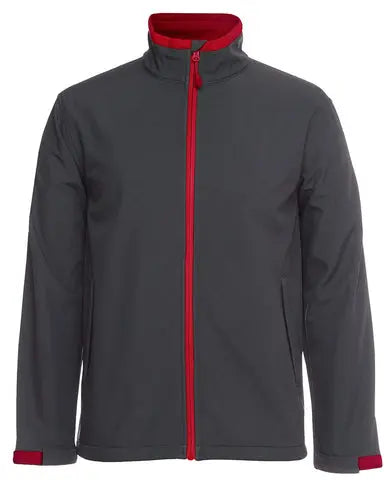
In cooler weather, or in air-conditioned wards, you can layer a jacket, long-sleeve undershirt or lab coat over your scrubs to stay warm.
Getting the right fit
Fit is just as important as fabric. Scrubs that are too tight restrict movement, while scrubs that are too loose look sloppy and can catch on equipment.
- Check the size chart. Sizing varies between brands, so measure your chest, waist and hips and compare them with the chart for the specific product.
- Consider women's cuts. Women's scrubs are tailored for a more fitted, feminine shape with a refined look, while still allowing easy movement.
- Men's and unisex styles. Men's scrubs and unisex styles usually have a straighter, classic cut. Unisex scrub pants are a flexible option for teams with mixed sizing.
- Look at the waist. Elastic or drawstring waists on scrub pants are comfortable and forgiving through a long shift.
- Check the length. Pants should not drag on the floor, and tops should be long enough to stay tucked or covered when you bend.
Most scrub ranges come in a size run from extra small to extra large or beyond, so you should be able to find a fit that suits your body shape.
Functionality: pockets and practical features
Medical professionals are always on the move and need to be ready for emergencies. Think about what you carry each shift and choose scrubs that support it:
- Chest pocket for pens, a penlight or ID
- Hip or side pockets with good storage capacity for larger items
- Cargo pockets on scrub pants for extra storage
- Key loops and bungee loops to keep small items secure and within reach
If you prefer a sleek, minimal look, or your role doesn't require carrying much, scrub tops with few or no pockets are also available. For roles in laboratories, consultations or pharmacies, lab coats add an extra layer of protection and pocket space over your scrubs or clothing.
Choosing a style and pattern
Everyone has their own preferences, and many workplaces allow some choice within their uniform policy. It helps to shop from a range that offers several styles.
Plain professional scrubs
If you like a sharp, classic look, choose solid-colour scrubs in navy, black, royal blue or similar. Typical features include a V-neckline, short sleeves and a straight hem, sometimes with side slits that make it easier to move and walk. Fitted options such as a stretch women's short-sleeve shirt give a smart, polished appearance for clinics and reception roles.
Printed scrubs
If you enjoy a bit of colour, printed scrubs come in fun designs such as under-the-sea, space and friendship prints. They are popular in paediatrics, aged care and other settings where a friendly, approachable look helps put patients at ease. For the festive season, browse limited-edition Christmas scrub tops.
Matching your workplace
Before buying, check whether your hospital or clinic specifies colours by department or role, and whether logos need to be added. Ordering from a single supplier makes it easier to keep a team's uniforms consistent.
Scrubs for different healthcare roles
Scrubs aren't just for nurses. Doctors, surgeons, therapists, dental teams, veterinary staff, aged care workers and beauty therapists all wear them. Theatre and surgical staff usually need plain, practical sets plus scrub hats. Community and aged care workers often value stretch and extra pockets for a day on the move. Clinic, dental and beauty roles tend to favour a neater, fitted top or tunic that looks polished in front of clients.
Tips for buying scrubs online
- Read the full product description for fabric composition, finishes and pocket details.
- Use the brand's size chart rather than relying on your usual size from another brand.
- Check your workplace's uniform and colour requirements first.
- Buy at least a few sets so you always have clean scrubs ready, since they should be washed after every shift.
- Choose a supplier with a wide range of tops, pants, hats and lab coats so you can build a matching uniform.
Caring for your scrubs
Wash scrubs after every shift and change out of them before going home where possible. Follow the care label, as cotton, polyester and stretch blends may need different temperatures. Wash new coloured scrubs separately for the first few washes, and avoid overdrying stretch fabrics to help them keep their shape.
Frequently asked questions
Why do nurses wear scrubs?
Scrubs are hygienic, easy to launder, comfortable for long shifts and practical, with plenty of pockets. Colour-coding also helps patients and staff identify roles and departments.
What is the best fabric for scrubs?
Polyester is durable and holds its colour and shape, cotton is soft and breathable, and poly-cotton or stretch blends balance comfort, durability and freedom of movement.
Are women's scrubs different from unisex scrubs?
Yes. Women's scrubs are tailored for a more fitted shape, while unisex and men's scrubs usually have a straighter cut. Unisex scrub pants suit teams with mixed sizing.
Do antimicrobial scrubs stop infections?
No. An antimicrobial finish can help control odour and keep scrubs fresher, but it doesn't replace hand hygiene, changing scrubs and laundering them properly.
Can I wear printed scrubs at work?
Many workplaces allow printed scrubs, especially in paediatrics and aged care, but check your uniform policy first, as some hospitals specify colours by department.
How do I choose the right scrub size online?
Measure your chest, waist and hips and compare them with the size chart for the specific product, as sizing varies between brands.