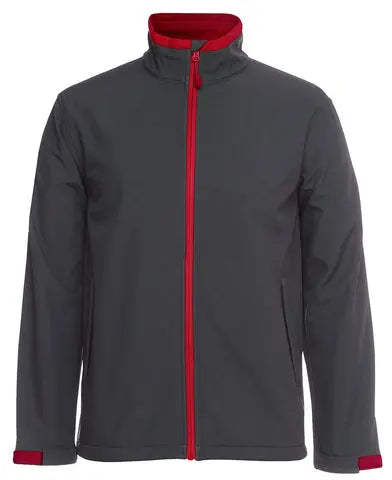
On a cold, dark morning on site, a puffer jacket is the warmest thing you can wear without bulk. A hi-vis puffer adds fluorescent fabric and reflective tape, so you stay visible to plant and traffic while you warm up. They have become one of the most popular winter garments in Australian workwear, from construction and civil crews to traffic control, warehousing and early-morning deliveries.
This guide covers what to look for in a hi-vis puffer jacket or vest and our most popular styles. Browse the full range of hi-vis jackets.
What is a puffer jacket?
A puffer jacket has a quilted shell filled with synthetic insulation (or down in fashion jackets) that traps warm air. Workwear puffers almost always use synthetic fill because it stays warm when damp and handles washing better than down. The stitched baffles hold the fill in place so it does not clump.
What to look for
Day or day/night visibility
If you start before sunrise, finish after dark or work near traffic, choose a taped Class D/N puffer. Untaped hi-vis puffers are day only. If you need hi-vis, remember the outer layer is what counts, so a hi-vis shirt under a navy puffer is not visible. See our hi-vis standards guide.
Water repellent or waterproof
Most puffers are water repellent or shower proof: they shed light rain and drizzle but will soak through in a downpour. For heavy rain, wear a waterproof shell over the top or choose a waterproof jacket instead.
Insulation and warmth
Heavier fill is warmer but bulkier. Some newer jackets add graphene-infused linings, such as the JB's Wear graphene range, which spread and hold body heat for more warmth without extra bulk.
Movement
Look for stretch side panels, a longer back hem that stays down when you bend, and articulated sleeves. Puffers that are too tight squash the fill and lose warmth.
Hood, pockets and cuffs
A hood blocks wind on exposed sites (check it fits with or without a hard hat as your site requires). Zip pockets keep your phone safe, and elastic or rib cuffs keep the cold out.
Jacket or vest?
A puffer vest keeps your core warm while leaving your arms free, which suits active work and layering over a long sleeve hi-vis shirt. A jacket is warmer for standing work like traffic control and spotting.
Most popular hi-vis puffer jackets
- JB's Wear Hi Vis Graphene Puffer Taped Jacket 6DGJ ($121.99): stretch polyester shell with a graphene-infused lining and reflective tape for day and night.
- KingGee Hi Vis Biomotion Water Repellent Puffer Jacket K55011 ($154.99): premium water repellent puffer with Biomotion tape.
- Bisley Taped Two Tone Hi Vis Puffer Jacket BJ6829T ($112.99): two-tone with a navy lower body to hide dirt.
Most popular hi-vis puffer vests
- Bisley Taped Hi Vis Reversible Puffer Vest BV0330HT ($65.99): shower proof and reversible, so one vest covers site and off-site.
- Bisley Taped Hi Vis Puffer Vest H Pattern BV0329HT ($76.99): H pattern tape for day/night work.
- JB's Wear Hi Vis Graphene Puffer Taped Vest 6DGV ($103.99): the vest version of the 6DGJ.
Non hi-vis work puffers
For workshops, warehouses, supervisors and company uniforms where hi-vis is not required:
- Syzmik Streetworx Hooded Puffer Jacket ZJ240 ($90.99) and matching vest ZV245.
- Bisley Puffer Jacket with Adjustable Hood BJ6928 ($93.99).
- JB's Wear Hooded Puffer Jacket 3AHJ ($76.99), popular for team and staff uniforms.
- Winning Spirit Sustainable Lightweight Hooded Puffer JK67 ($54.99), a lighter budget option.
- Women's fits such as the Biz Collection Alpine puffer J212L and Bisley women's puffer vest BVL0828.
For smart office options, see our guide to the best corporate jackets.
Layering for cold mornings
- Base: a long sleeve hi-vis shirt or thermal.
- Mid: a fleece jumper or work hoodie.
- Outer: a hi-vis puffer jacket or vest, with a waterproof shell on wet days.
Take layers off as the day warms up so you do not overheat and sweat, which makes you colder later.
Adding your logo
Puffers can be embroidered or printed, but the quilting and fill make placement important. Keep logos on the chest or a flat back panel, away from reflective tape. See uniform embroidery.
Caring for puffer jackets
- Close all zips and wash on a gentle cycle in cool water, following the care label.
- Skip fabric softener and bleach, which damage the water repellent finish and reflective tape.
- Dry thoroughly, ideally on low heat if the label allows, to restore loft. Shake the jacket to redistribute the fill.
Frequently asked questions
Are hi-vis puffer jackets waterproof?
Most are water repellent or shower proof, not fully waterproof. For heavy rain, wear a waterproof jacket over the top.
Do I need a taped hi-vis puffer?
If you work before sunrise, after dark or near traffic, yes. Choose a Class D/N jacket with reflective tape.
Is a puffer vest warm enough?
For active work and layering over a long sleeve shirt, usually yes. For standing work in cold weather, a full jacket is warmer.
Can I wear a hi-vis puffer for electrical work?
No. Standard puffers are polyester and can melt. Electrical and arc flash work needs flame retardant outerwear.